
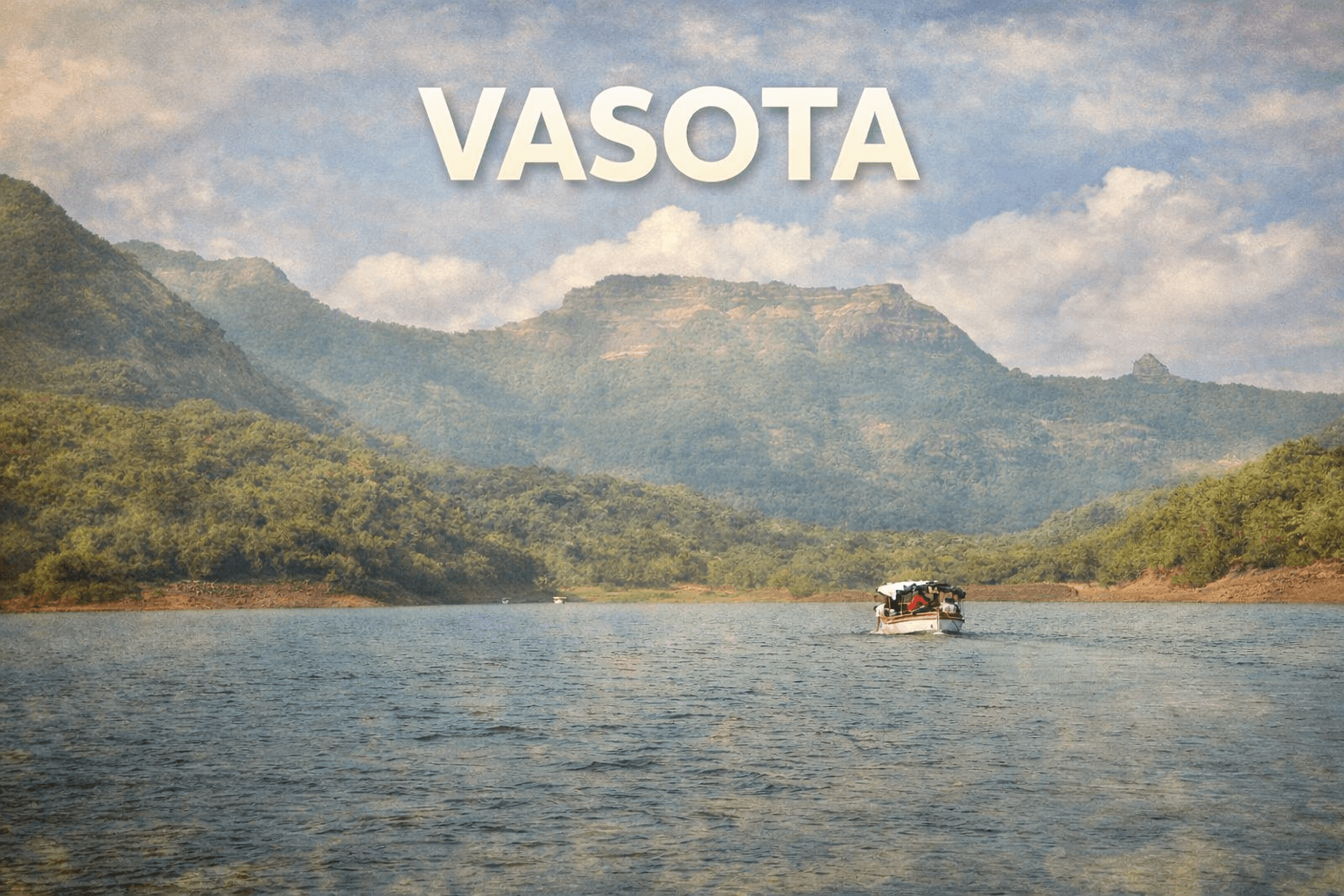
Vasota Fort, also known as Vyaghragad (the Tiger’s Fort), is not just a historical site; it is an experience that sits at the intersection of rugged Maratha history and the raw beauty of the Koyna Wildlife Sanctuary. Located in the Satara district, this fort remains one of the few “hidden gems” where the journey is just as mesmerizing as the destination.
In this guide, we dive deep into the history, trekking routes, and essential travel tips for visiting this Sahyadri marvel.
H2: The Historical Legacy of Vasota Fort
The history of Vasota Fort is a testament to the strategic brilliance of ancient Indian architecture. Originally built by the Shilahara dynasty in the 12th century, the fort eventually became a vital asset for the Maratha Empire.
H3: The Maratha Era and British Conflict
In 1655, Chhatrapati Shivaji Maharaj conquered the fort, recognizing its impenetrable location deep within the dense forests of the Jawali valley. It was later used as a high-security prison and a storage facility for treasures.
The fort’s resilience was tested in 1818 during the Third Anglo-Maratha War. The British forces, led by General Pritzler, engaged in a heavy bombardment that lasted days. Today, while much of the internal structure is in ruins, the massive stone walls and the Hanuman Mandir still stand as silent witnesses to these fierce battles.
H2: Geographical Splendor: The Heart of Koyna Wildlife Sanctuary
One of the unique aspects of Vasota Fort is its location. It is situated within the Koyna Wildlife Sanctuary, a UNESCO World Heritage site. This means your trek isn’t just a climb; it’s a walk through a biodiversity hotspot.
Flora: The trail is covered in dense semi-evergreen forests. During the post-monsoon season, the path is a vibrant gallery of wildflowers and rare medicinal plants.
Fauna: If you are quiet enough, you might spot Giant Squirrels (Shekru), barking deer, and a variety of avian species. The region is also known to be a habitat for leopards and sloth bears, which is why trekking after sunset is strictly prohibited.
H2: Planning Your Trek: Route and Difficulty
For those coming from major cities, Vasota is a popular weekend getaway. The distance from Pune is approximately 132km, making it an ideal two-day trip.
H3: The Base Village – Bamnoli
The journey begins at Bamnoli, a small coastal village on the banks of the Shivsagar Lake (Koyna Backwaters).
Pro Tip: There is no road access to the base of the fort. You must hire a boat from Bamnoli to reach the Met-Indavali (the starting point of the trek).
H3: The Boat Ride Experience
The boat ride across the Koyna Backwaters takes about 1 to 1.5 hours. It is arguably the most scenic part of the trip, offering panoramic views of the surrounding mountains reflecting in the crystal-clear water.
Boat Charges: Boats are usually hired in groups (6-12 people). Expect to pay between ₹3,000 to ₹4,500 for a round trip per boat.
H2: The Trekking Trail: What to Expect
The trek is classified as Moderate. While it doesn’t require professional climbing gear, it does demand good stamina.
Met-Indavali to the Top: The climb takes approximately 2 to 2.5 hours.
The Ascent: The path is steep and shaded by a thick canopy of trees, which protects trekkers from the direct sun.
Babu Kada: This is the most famous point on the fort. It is a U-shaped cliff that offers a vertical drop of thousands of feet. The view of the old Vasota fort (Chor Vasota) from here is breathtaking.
H2: Essential Visitor Information
To ensure a smooth trip to Vasota Fort, keep the following logistics in mind:
H3: Best Time to Visit
As mentioned by Sataradiary, the ideal window is September to February.
Post-Monsoon (Sept-Nov): The waterfalls are active, and the forest is at its greenest.
Winter (Dec-Feb): The weather is cool and perfect for the physical exertion of the trek.
Note: The fort is usually closed during the peak monsoon (June-August) for safety reasons and wildlife protection.
H3: Permissions and Fees
Since the fort is inside a protected forest, you must obtain permission from the Forest Department office at Bamnoli.
Entry Fee: A nominal forest entry fee per person.
Plastic Policy: The area is a Strict No-Plastic Zone. Forest guards will check your bags and may charge a deposit for every plastic bottle you carry, which is refunded only when you show the bottle upon return.
H2: What to Carry
Because Vasota is a wilderness trek, there are no shops or stalls once you leave Bamnoli.
Water: At least 3 liters per person.
Food: Carry light snacks and a packed lunch.
Footwear: Sturdy trekking shoes with a good grip are mandatory due to slippery leaves and loose rocks.
First Aid: Basic bandages and antiseptic, as leeches can be common during the humid months.
H2: Nearby Attractions in Satara District
If you are visiting Vasota, you might want to extend your stay to explore other wonders of Maharashtra:
Kaas Plateau: Known as the “Valley of Flowers” of Maharashtra, located just an hour away from Satara.
Tapola: Often called the “Mini Kashmir” of the west, famous for water sports and strawberry farms.
Koyna Dam: One of the largest dams in India, providing a majestic backdrop to the entire region.
H2: Conclusion: Why Vasota Should Be on Your Bucket List
Vasota Fort offers a rare combination of adventure, history, and serenity. It challenges your physical limits while rewarding your soul with views that few other places in the Sahyadris can match. Whether you are a history buff or a nature photographer, the “Tiger Fort” is a journey you won’t soon forget.
H3: Frequently Asked Questions (FAQs)
1. Can we camp on Vasota Fort?
No, camping on the fort is strictly prohibited to protect the wildlife. However, you can find excellent lakeside camping options in Bamnoli.
2. Is Vasota safe for solo trekkers?
While safe, it is highly recommended to go in groups or hire a local guide from Bamnoli, as the forest trails can be confusing.
3. How far is Vasota from Mumbai?
It is approximately 270km from Mumbai, usually requiring a 5-6 hour drive to reach Satara.