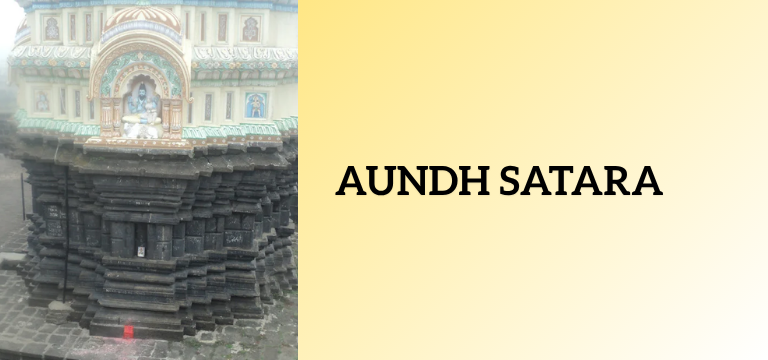
Located approximately 43 kilometers from the city of Satara, Aundh is a small town that holds a massive place in Indian history. Once a princely state ruled by the Pant Pratinidhi family, it is today a premier destination for those seeking a blend of Maratha heritage, world-class art, and spiritual peace.
The Historical Legacy of Aundh State
The history of Aundh is inextricably linked to the Pant Pratinidhi family, who served as the “Representatives of the Viceroy” to the Maratha Chhatrapatis. The state was founded in 1699 by Parshuram Trimbak, a loyal commander under Chhatrapati Rajaram and Maharani Tarabai.
Aundh gained global recognition in 1938 through the Aundh Experiment. Under the leadership of Raja Bhavanrao Shriniwasrao (Balasaheb Maharaj) and with the guidance of Mahatma Gandhi, Aundh became one of the first princely states in British India to voluntarily surrender its power to the people, establishing a democratic self-government based on Gandhian principles.
Shri Bhavani Museum and Library: A Treasure Trove of Art
Perched on the slopes of the Aundh hill, the Shri Bhavani Museum (established in 1938) is a rare instance of a world-class art collection in a rural setting. It was the vision of Balasaheb Maharaj, himself a gifted artist and a dedicated patron of the arts.
Highlights of the Collection
The museum houses over 8,000 artifacts and a library with more than 16,000 books, including ancient handwritten manuscripts.
- Raja Ravi Varma Gallery: The museum is famous for housing original masterpieces by the legendary Raja Ravi Varma, including the renowned paintings of Damayanti and Sairandhri.
- The Mother and Child Sculpture: A centerpiece of the museum is the “Child and Mother” stone sculpture by the world-famous British artist Henry Moore. It is considered one of the few such original works in India.
- Miniature Paintings: The collection spans various schools of Indian art, including Jaipur, Kangra, Mughal, Bijapur, and Pahadi styles, dating from the 15th to the 19th centuries.
- The Strong Room: This section contains rare diamonds, precious stones, and intricately designed ornaments belonging to the royal family.
- Ivory and Sandalwood: Visitors can marvel at the delicate carvings on ivory and sandalwood, showcasing the pinnacle of Indian craftsmanship.
Visitor Note: The museum is closed on Mondays. The entry fee is nominal (around ₹10), making this high-value art accessible to everyone.
Shri Yamai Devi Temple: The Spiritual Guardian
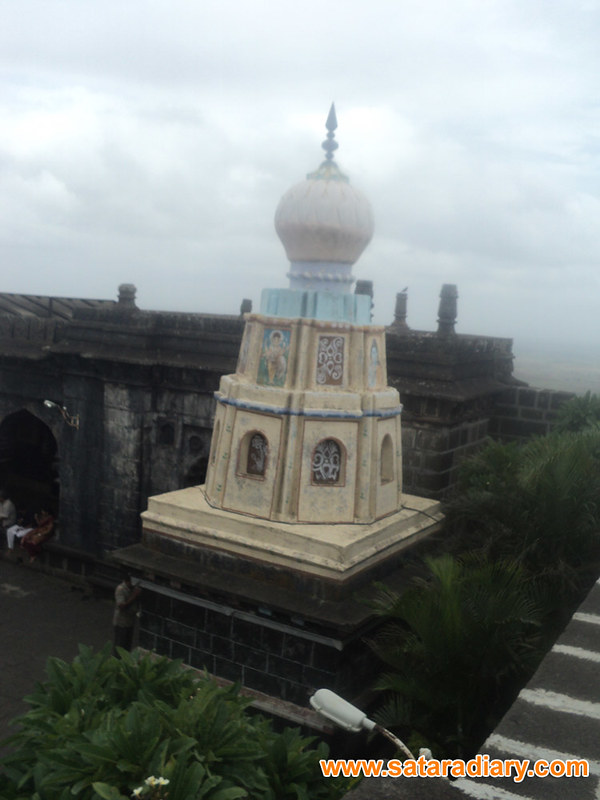
At the crest of the hill (roughly 800 feet high) sits the Yamai Devi Temple, the family deity (Kula-daiwat) of the Pant Pratinidhi family and millions of devotees across Maharashtra.
Architectural and Religious Significance
- The Idol: The inner sanctum houses a striking 2-meter-high idol of Devi Mahishasur Mardini Yamai carved in black stone. The goddess is often adorned with a 7 kg gold crown during festivals.
- Ancient Roots: The temple structure is believed to be over 1,300 years old, originally built by the Chalukya kings and later renovated by the Aundh rulers.
- The Deepmalas: A distinctive feature of the courtyard is the four massive Dipmalas (lamp towers). One of these stands 18 meters high and can hold 176 lamps, creating a spectacular sight during festivals like Navratri.
Why Visit Aundh?
Aundh offers a unique travel experience that differs from the typical hill stations of Maharashtra.
- Art Lovers: It is a pilgrimage site for students of fine arts and history.
- History Buffs: The town tells the story of the transition from monarchy to democracy.
- Spiritual Seekers: The hilltop location provides a serene atmosphere for meditation and prayer.
- Photography: While photography is prohibited inside the museum galleries, the architectural beauty of the temple and the panoramic views from the hill are a photographer’s delight.
Travel Information
Accessibility: You can reach the temple and museum via 433 stone steps or by a motorable road that leads directly to the museum and temple area.
Best Time to Visit: September to March (post-monsoon for lush greenery).
How to Reach: Aundh is well-connected by road from Satara (43 km) and Karad. The nearest major railway station is Satara.
Photos of Yamia Devi Aundh Temple Satara